Rose Care Basics Planting roses is one of the first activities of the gardening year. Planting early is important as roses need to have their roots well established. Often the tops will begin to grow before the roots have grown into their new location. Be prepared to water and watch them carefully through their first spring.
Roses Need
- At least six hours of sunlight a day
- Soil that drains well
- Good air circulation
- To avoid hard freezes
When to Plant
- Bare-root roses: Late winter is the best time plant bare-root roses.
- Container-grown roses: Early spring is the best time to set out plants grown in nursery containers (vs. bare-root, packaged types). Avoid summer planting unless you are willing to water every 1 to 2 days in hot weather.
How to Handle a Rose Before Planting
- Soak the roots of a bare-root rose in a bucket of water for at least an hour or two. Overnight is okay, but no longer.
- Make sure the soil and roots of a container-grown rose are moist. If the soil is dry, water and let drain an hour or two before planting. Never plant a dry root ball. It is hard to re-wet.
- If you can't plant your rose right away because the soil is not workable (too wet or frozen), store the plant in a cool place away from the wind, and keep the roots moist. A basement or garage is ideal. Or you can dig a small trench in a shady spot of your garden, lay the rose down at a thirty-degree angle, cover the roots with moistened soil, and cover the top with a layer of hay.
Preparing the Soil for Roses
- Thoroughly mix soil amendments such as compost, peat moss, or rose planting mix in the planting bed. If you can't amend the entire bed, amend in a circle of 3 to 4 feet for each rose.
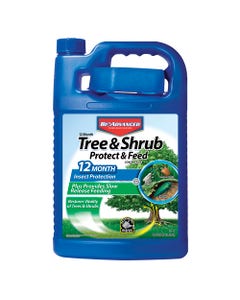
- In spring, protect newly planted roses from insects by applying Bayer Advanced™ 2-in-1 Systemic Rose & Flower Care Granules to the soil. This guards against aphids, mites, and certain other insects that like new growth.
Look For This Information on the Rose Package
- Plant Spacing: A five-foot spacing works well for hybrid teas. Larger plants will need more room. Antique roses vary tremendously in size and form.
- Follow planting directions on the rose label. Avoid planting too deeply. In the South, the crown of grafted plants should be about 2 inches above the soil line, even if the package doesn’t say so. Buried crowns invite disease in the South. The first lateral roots should be just at the soil surface. Set the plant in the hole so that the first roots are just below the surface.
- When the hole is filled to about an inch from the top, water thoroughly. This will eliminate any air pockets that might be around the roots. Wait for the water to drain. Then, finish filling the hole. With any remaining soil, make a rim around the edge of the hole so that water will funnel towards the roots.
Watering Roses
- Water new plants regularly at first, applying about 1 inch per week. Drip irrigation is best to water slowly, thoroughly, and deeply without wetting foliage. Water less in winter.
Protecting Roses Against Insects
Mulch
- Mulch well with bark, compost, or pine straw.
Products Mentioned In This Article
|
Related Products
Articles
E-Newsletter
Forum Threads
Links
Press Releases
|